NEO monitoring system
Optimise well performance with real-time monitoring of well and reservoir parameters.
OVERVIEW
The NEO permanent monitoring system includes pressure and temperature sensors and provide advanced well and reservoir monitoring capabilities and optimize production.
With real-time data at your fingertips, you can make informed decisions to increase hydrocarbon production over the life of the well and maximise asset value at every stage of field life. Get the well data you need to optimise production and extend well life with NEO well monitoring systems. Our experience and multi-stage testing programme has resulted in a reliable, compact and flexible well and reservoir monitoring system.
Advantages:

- Get high-resolution pressure and temperature readings in challenging downhole environments
- Optimise production rates, calculate reserves and improve reservoir modelling
- Establish continuous monitoring and eliminate the need for daily well visits
- Maximum recorded error – 0.015% of the upper limit of measurements
- Certificate for measuring instruments obtained from VNIIMS
Our NEO-QPT quartz pressure and temperature sensor is certified for reliable operation in high pressure/high temperature (HP/HT) applications and has a service life of more than 15 years.
The system is available in two configurations: single sensor and dual sensor.

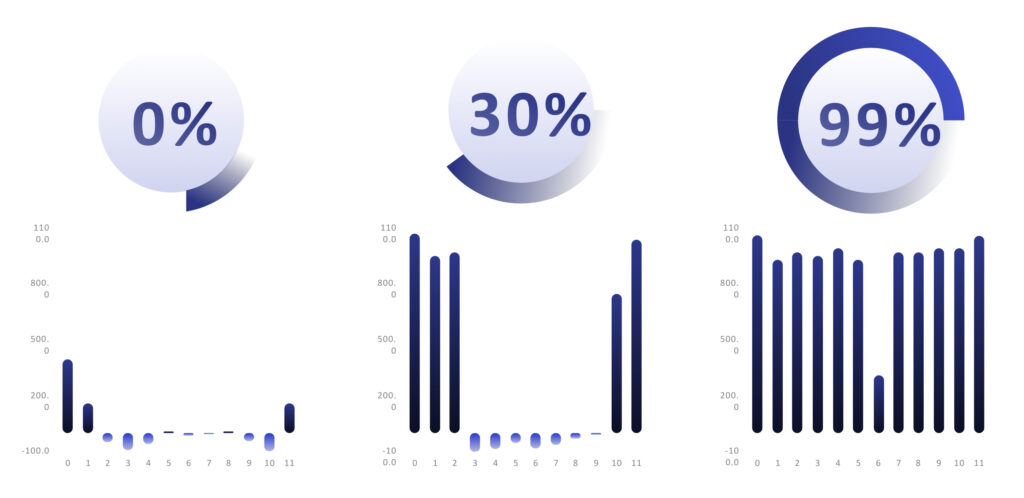
Water cut sensor
Usage
- As part of the intelligent completion for
horizontal well - Analysing water cut production in real time for each reservoir interval
Real-time analysis of water content for each reservoir interval - 12 sensors around the circumference monitor
well water level

Get accurate well data when and where you need it
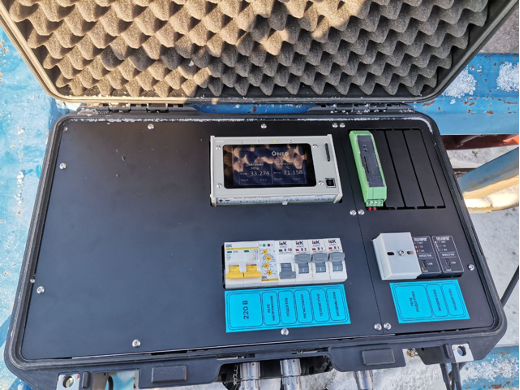
Rely on our experts to install a NEO system in your well based on your specific data collection requirements. While the specifics of the application vary from well to well, the overall goal remains the same – to ensure that each sensor provides high-quality data and enables real-time monitoring.
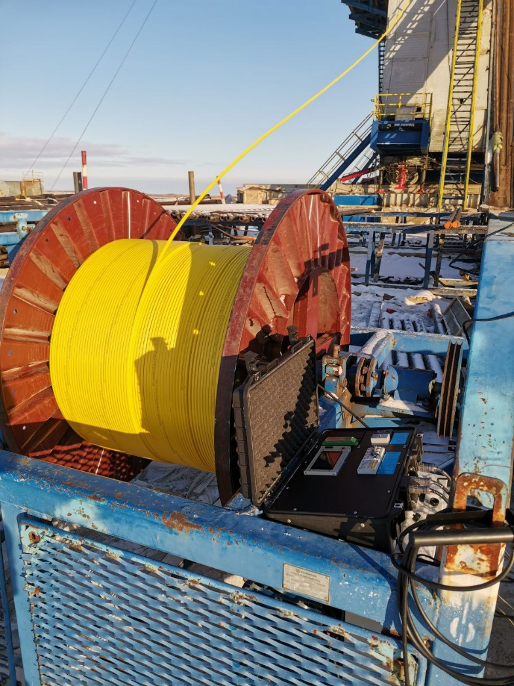
Each NEO sensor is connected using a Tubing Encapsulated Cable (TEC) with metal tubing. The TEC exits the well through a special sealed cable outlet, the GVC.
The surface cable connects the GVC to the SSD data acquisition system. The cable system connects to the appropriate point in the MDS system, and the MDS system electronics provide power and a communication interface for the NEO sensors in the well.
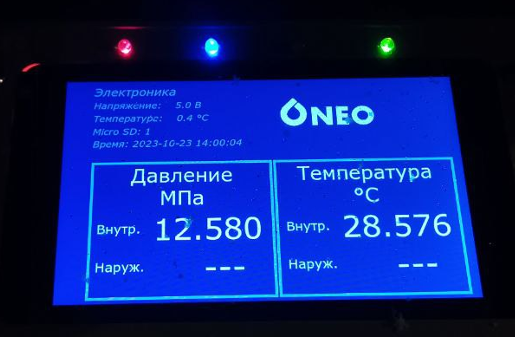
The NEO software converts sensor data into pressure (MPa, bar, technical atmosphere, physical atmosphere) and temperature in degrees Celsius or Fahrenheit. The software also calculates the flow rate based on differential pressure measurements from sensors mounted on the flowmeter and PVT model data. The NEO system stores your data and makes it available in real time in your supervisory control and data acquisition (SCADA) or database system. With this real-time information at your disposal, you can make quick and informed decisions.
Examples of applications
Example 1. Monitoring of multistage hydraulic fracturing Arcticgas JSC
The NEO monitoring system analyzed the process of multistage hydraulic fracturing
in a gas condensate horizontal well. The pressure was up to 1000 bar.
The accuracy of pressure and temperature readings was as good as world’s leading analogs.
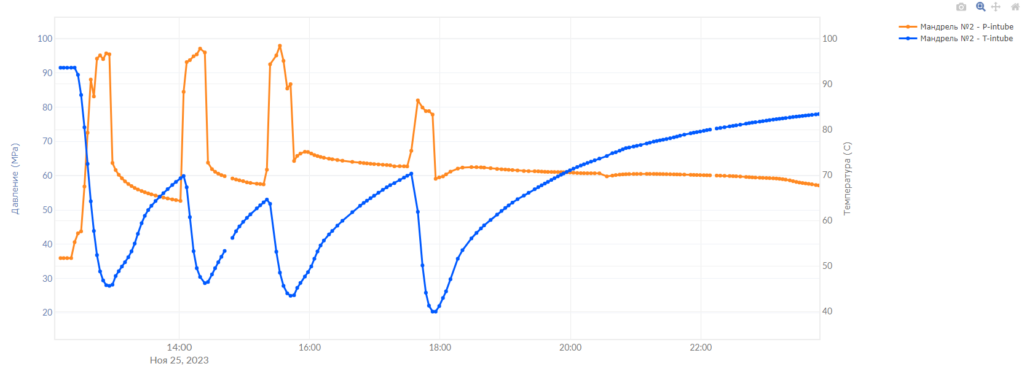
Example 2. Oil producer with the pump PJSC Tatneft
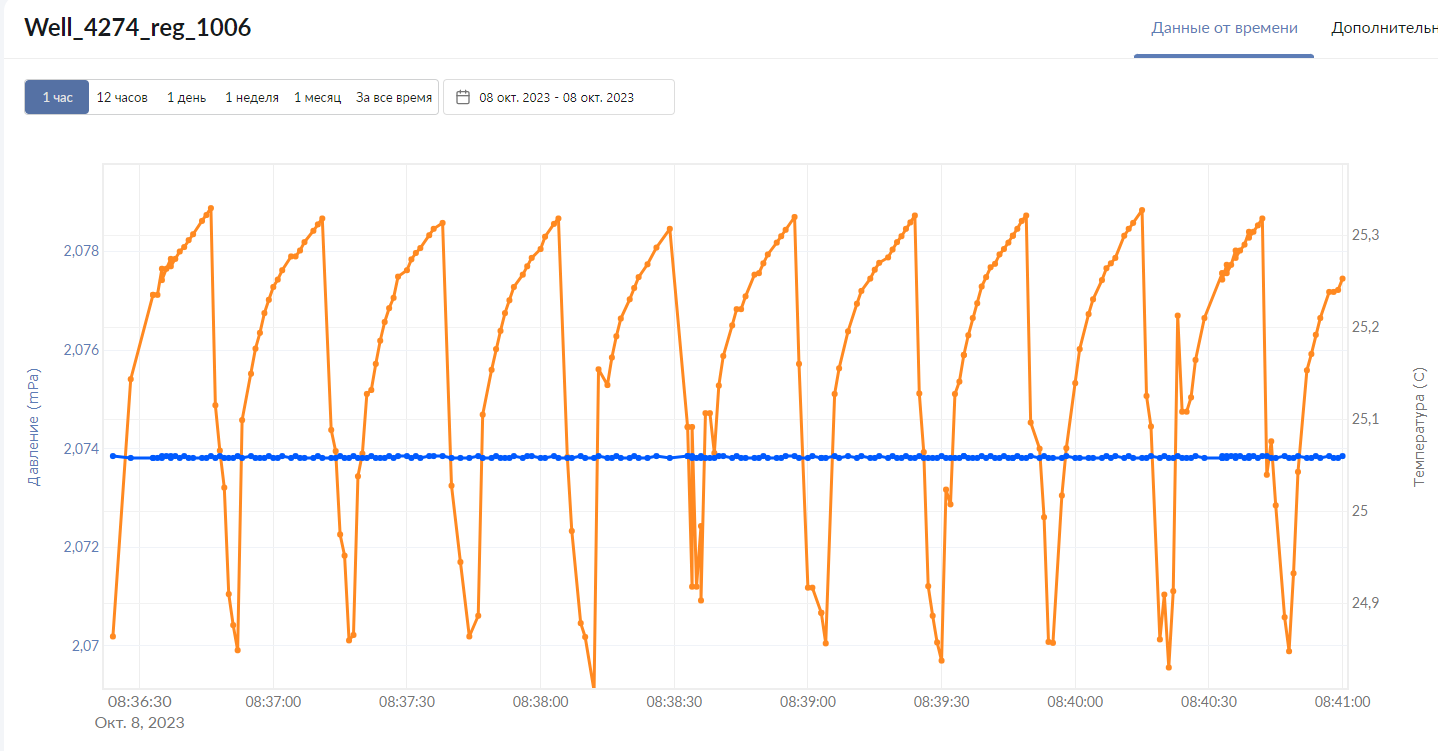
In the first well, the NEO system allowed us to establish that the pump was operating efficiently,
every cycle was visible.
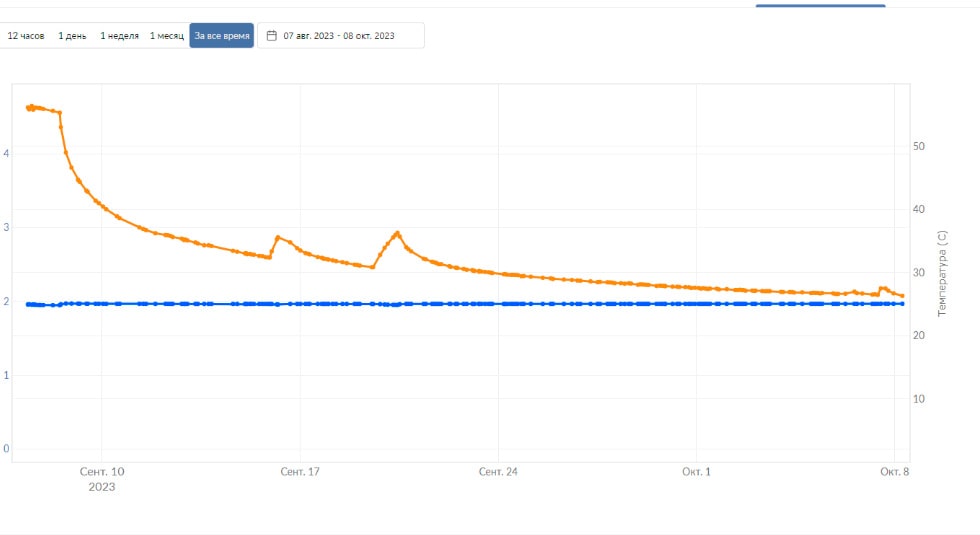
In the second well, the production pressure decreased to less than
9 bar (at the authorized pressure of at least 20 bar for these formations).
At the same time, due to high sensitivity of sensors and polling once a second, periodic operation of the pump is visible. In this case the pump works inefficiently, as the fluid level in the well is low.
The crew went to the well 4 times to optimize the pump operation. The pump was reconfigured to draw more from the annulus (the formation above the packer). They also reduced the frequency of pump operation to save energy.
There was only 1 in-line pressure sensor, we had to go to the well and check the fluid level in the annulus. In the future it is recommended to install 2 sensors (online measurement of in-line and downhole pressure) to save money and not to go to the well to measure the level.
It was also recommended to install an electric circulation valve as part of the tubing to allow for controlled periodic pumping of fluid from the annulus to the tubing without lifting the pump, without a crew, online, saving on operating costs.


Example 3. Oil producer with the pump
LLC LUKOIL-Nizhnevolzhskneft
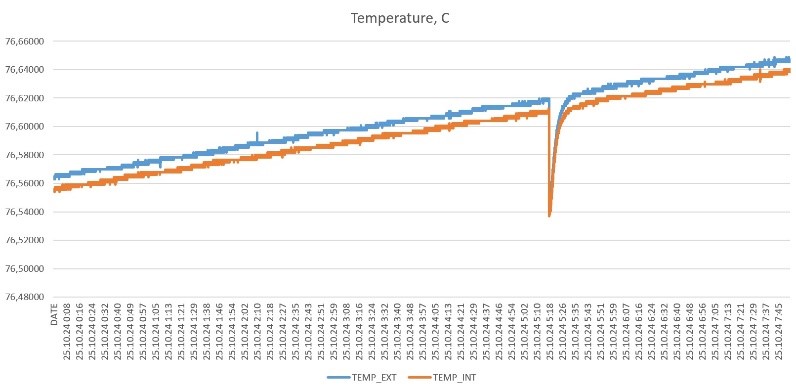
The NEO monitoring system was installed on an offshore platform in a horizontal production well.
The resolution of pressure is better than 0.001 bar, which allows tracking minor changes in reservoir pressure over time.


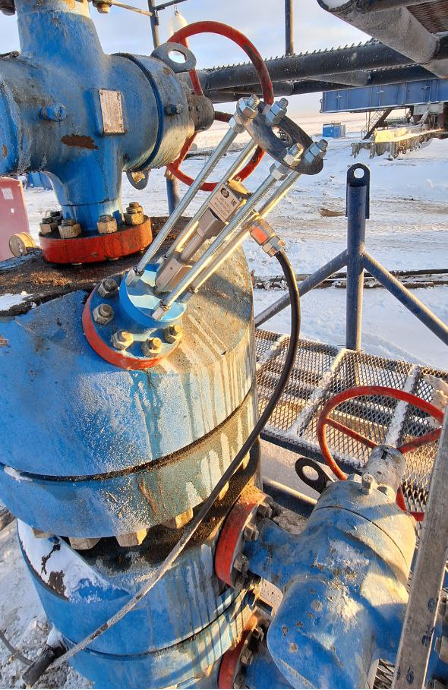
Example 4. NEO system for monitoring pressure and temperature in the offshore well